Urban Dynamics and Spatial Balance Challenges in Lomé: Toward an Integration of Mineral, Wetland, and Green Spaces for Urban Well-Being
1Centre d'Excellence Régional sur les Villes Durables en Afrique (CERViDA-DOUNEDON), Université de Lomé, Lomé 01 BP 1515, Togo
2École Africaine des Métiers de l’Architecture et de l’Urbanisme (EAMAU), Lomé BP 2067, Togo
Author and article information
Cite this as
Gake KD, et al. Urban Dynamics and Spatial Balance Challenges in Lomé: Toward an Integration of Mineral, Wetland, and Green Spaces for Urban Well-Being. Glob J Ecol. 2026; 11(2): 25-32. Available from: 10.17352/gje.000119
Copyright License
© 2026 Gake KD, et al. This is an open-access article distributed under the terms of the Creative Commons Attribution License, which permits unrestricted use, distribution, and reproduction in any medium, provided the original author and source are credited.Greater Lomé emblematically illustrates the contradictions of sub-Saharan African metropolises, caught between rapid population growth, informal spatial expansion, and increasing climate vulnerabilities. The horizontal sprawl of Grand Lomé, marked by high annual consumption of natural and agricultural spaces, occurs in a context of significant mineralisation, fragmentation of wetland areas, and a near absence of green spaces. In this perspective, the study aims to analyse how the organization of these three types of spaces (mineral, humid, and vegetated) influences urban well-being and the resilience of the Grand Lomé metropolis. Based on a questionnaire survey of 300 households, complemented by interviews and field observations, the study analyses the links between the organization of mineral, wet, and green spaces, perceived climatic impacts, and quality of life in the different types of neighbourhoods in Grand Lomé. The results show that 71% of respondents report not having access to green space, 48% consider the olfactory quality poor, 71% express dissatisfaction with the infrastructure, and 91% participate in local environmental actions. The study recommends the establishment of a metropolitan green and blue framework integrating the Zio Valley, a compact and polycentric urban densification, and an eco-humanist governance that combines customary practices with modern planning tools to build a resilient and inclusive metropolis.
Urbanisation is one of the major transformations of the 21st century. According to United Nations projections (2019) [1], the global urban population is expected to nearly double by 2050, increasing the pressures on resources, infrastructure, and urban ecosystems. This rapid growth of cities is accompanied by major planning challenges, particularly in developing countries where planning and infrastructure capacities do not always keep pace with demographic expansion. Nearly a billion people today live in informal neighbourhoods or slums, which is about one in three urban dwellers worldwide, often in conditions characterised by unsanitary living conditions, precarious housing, and limited access to essential services [2]. This situation reflects a growing gap between the dynamics of urbanisation and the ability of territories to produce suitable living conditions.
This urban vulnerability is further exacerbated by the effects of climate change, which particularly affect populations in emerging countries exposed to heatwaves, floods, and the degradation of natural resources (IPCC, 2007). In this context, the way cities organise their built, natural, and hydrological spaces becomes a crucial issue for strengthening their climate resilience, reducing environmental inequalities, and improving the well-being of populations. Sub-Saharan Africa is one of the regions where these transformations are the fastest. Its urban population increased fourteenfold between 1950 and 2006, while the rural population only tripled. The proportion of urban dwellers thus increased from about 10-15% in the mid-20th century to over 35% today, with a crossing of the 50% threshold expected by 2030 [3]. This accelerated urbanisation, often poorly supported by appropriate planning policies, leads to a rapid spatial expansion of cities, increasing artificialisation of land, and a gradual reduction of natural spaces essential for urban ecological balance. The city of Lomé, the capital of Togo, fully illustrates these urban transformations. As a primate city, it concentrates a significant portion of the national urban growth [4]. This demographic attractiveness has resulted in a spectacular spatial expansion: its area increased from 0.55 km2 in 1914 to 425 km2 in 2020, with a density reaching 5,142 inhabitants/km2 and an estimated consumption of natural spaces of 1,100.53 hectares/year between 2015 and 2022 [5]. Between 1986 and 2013, the urban fabric almost quadrupled, increasing from 8,041 hectares to 34,376 hectares [6]. Recent analyses confirm this trend: Based on Landsat satellite images covering the period from 2007 to 2020, Blakime et al. [7] show that the expansion of built-up areas in Grand Lomé continues largely in an unplanned manner, outside of a coherent master plan. Similarly, the comparative analysis conducted between the Autonomous District of Grand Lomé and the Greater Accra Metropolitan Area over the period 1986-2023 reveals a rapid to very rapid urban progression in several peripheral sectors of Grand Lomé, particularly along the RN5 axis [8]. This spatial growth largely relies on informal and poorly regulated land production. In the outskirts of Lomé, about three-quarters of land transfers are now monetised, while the market remains predominantly informal [9]. This situation is exacerbated by the difficulties in applying the land legal framework, marked by the obsolescence of certain old texts such as the decrees of 1945, 1967, and 1971, as well as the delay in implementing Law No. 2018-005 on the Land and Domain Code. These shortcomings promote the development of parallel circuits involving customary owners, intermediaries, and urban buyers [10]. At the West African scale, this issue is also observed in Bamako, where Letrouit and Selod (2024) [11] show that uncertainty about land rights and information asymmetries in informal transactions produce a structural market failure, compensated mainly by social networks of trust rather than by secure institutional mechanisms.
This rapid and uncontrolled urbanisation leads to significant environmental transformations, particularly a reduction in green and wetland spaces, which are essential for urban climate regulation. In Lomé, the inventoried green spaces represent only 0.40% of the urban area, which is about 0.75 square meters per inhabitant, a value far below the World Health Organization's recommendation of 10 square meters per inhabitant [12]. Moreover, the physical characteristics of the city differ significantly from those of the surrounding natural environments, with higher temperatures, changes in the water regime, and fragmentation of natural habitats ([13]. These transformations compromise the development of plant species and contribute to the gradual erosion of urban biodiversity. This dynamic of environmental degradation continues in peripheral areas. In the northern communes of Agoè-Nyivé, the diachronic analysis of Landsat 8 images between 2014 and 2022 reveals a 57.14% decrease in grasslands and wetlands and a 27.77% decrease in vegetation cover, while artificial surfaces have increased by 40.47% [14]. This increasing artificialization reduces the city's natural thermal and hydrological regulation capacities, thereby increasing the population's exposure to the effects of climate change.
At the African level, research dedicated to urban green spaces remains insufficient. A bibliometric analysis of 264 publications shows that the work remains concentrated in a limited number of countries, while West African cities, particularly those in Togo, remain under-represented despite the importance of the issues [15]. However, the benefits of urban natural spaces on health and well-being are now widely recognised. A recent review highlights that green spaces help reduce thermal stress, improve the physical and mental well-being of populations, and enhance the quality of life, while revealing significant access inequalities between neighbourhoods [16]. However, these benefits remain limited by insufficiently integrated urban management, marked by the absence of a sanitation master plan, deficient municipal organization, and the proliferation of illegal dumps [17]. In addition to these environmental constraints, there are difficulties related to urban infrastructure. The sealing of soils, the degradation of roadways, and the inadequacy of drainage systems make several areas difficult to access during the rainy season, increasing the risks of flooding and unsanitary conditions. These conditions directly influence the health, daily comfort, and perception of well-being of the residents. Socio-spatial contrasts are thus accentuated between the central neighbourhoods, which are relatively better equipped, and the new peripheral areas, which are less endowed with infrastructure and urban services [6].
Despite institutional initiatives such as the National Land Use Planning Scheme (SNAT) and the creation of the Autonomous District of Grand Lomé (DAGL), which includes 13 municipalities from the prefectures of Golfe and Agoè-Nyivé, metropolitan management remains fragmented. Urban development remains characterised by a rapid expansion of housing in areas that are sometimes unsuitable or non-buildable [6]. The establishment of integrated urban governance therefore appears essential to ensure a better articulation between urban development, the preservation of natural resources, and climate adaptation. However, despite the recent development of remote sensing-based research on the spatial dynamics of built-up areas in Lomé [7,8,14], few studies still analyse the joint organization of mineral, wetland, and green spaces as a factor of climate resilience and improvement of urban well-being in a context of rapid growth. This scientific gap leads to the following question: to what extent do the organization and articulation of mineral, wet, and green spaces contribute to the improvement of living conditions and the well-being of the population in the city of Lomé? The objective of this study is to analyse how the organization and balance between mineral, wet, and green spaces in Lomé influence the climatic effects on the urban well-being of the population.
Materials and methods
Presentation of the study area
The study area, Greater Lomé, is a metropolitan space undergoing significant transformation. It is composed of 13 municipalities (Baguida, Togblékopé, Légbassito, Sanguera, Vakpossito, Aflao-Sagbado, Aflao-Gakli, Amoutiévé, Bè Ouest, Bè Centre, Bè-Est, Agoè-Nyivé, and Adétikopé), under thejurisdiction of the Gulf and Agoè Nyivé prefectures. The area is bordered by the Atlantic Ocean to the south, the international border with Ghana (Aflao) and the prefecture of Avé to the west, the prefecture of Zio to the north, and the prefecture of the Lakes to the east. The area enjoys a sub-equatorial climate with average rainfall of 864 mm/year and an average temperature of 27.4°C. Greater Lomé has a population of 2,188,376 inhabitants (RGPH 5, 2022).
Data used
To conduct this study on the integration of mineral, wetland, and green spaces into the urban fabric of Lomé and their effects on the well-being of the inhabitants, a methodological approach combining four complementary tools was adopted. The documentary analysis first made it possible to take stock of the existing knowledge on the subject. Field observations then made it possible to directly assess the diversity of these spaces and their links to quality of life. Semi-structured interviews were conducted with local elected officials, technical managers, and community leaders to gather their views on the contribution of these spaces to the well-being of the residents. Finally, household surveys were conducted to collect data on their sociodemographic characteristics, housing conditions, perceptions of urban well-being, as well as their spatial and environmental practices.
These surveys were conducted across the entire study area, encompassing a diversity of residential contexts: densely built central neighbourhoods, recently expanded neighbourhoods, peri-urban areas in transition, and vulnerable neighbourhoods characterised by informality and a lack of infrastructure. To ensure representativeness of the different urban contexts of Lomé, a stratified sampling was applied, distinguishing four types of neighbourhoods: central neighbourhoods with high building density, expanding neighbourhoods in the process of consolidation, peri-urban neighbourhoods on the outskirts of the agglomeration, and vulnerable neighbourhoods marked by informal housing and a lack of infrastructure. The sample distribution gave a predominantshare to the extension and peri-urban neighbourhoods (70%), where the dynamics of rapid urbanisation and the challenges of integrating green and wetland spaces are concentrated. In total, 300 households were surveyed, proportionally distributed among the four strata. Within each stratum, households were selected by random walk along predefined transects to limit selection bias. The head of the household or, if unavailable, any adult (over 18 years old) residing in the dwelling for at least six months was selected as the respondent, ensuring sufficient knowledge of the neighbourhood and its dynamics.
The data were collected over a period of 5 days from March 24 to March 28, 2026. The collection team included a mixed group of professionals and urban planning students. It should be noted that the collection forms used for the surveys contained information such as: - Socio-economic characteristics (age, sex, professions, level of education); - Quality of life in the neighbourhood; - Accessibility to facilities; - Local participation in environmental protection actions.
Data processing and analysis
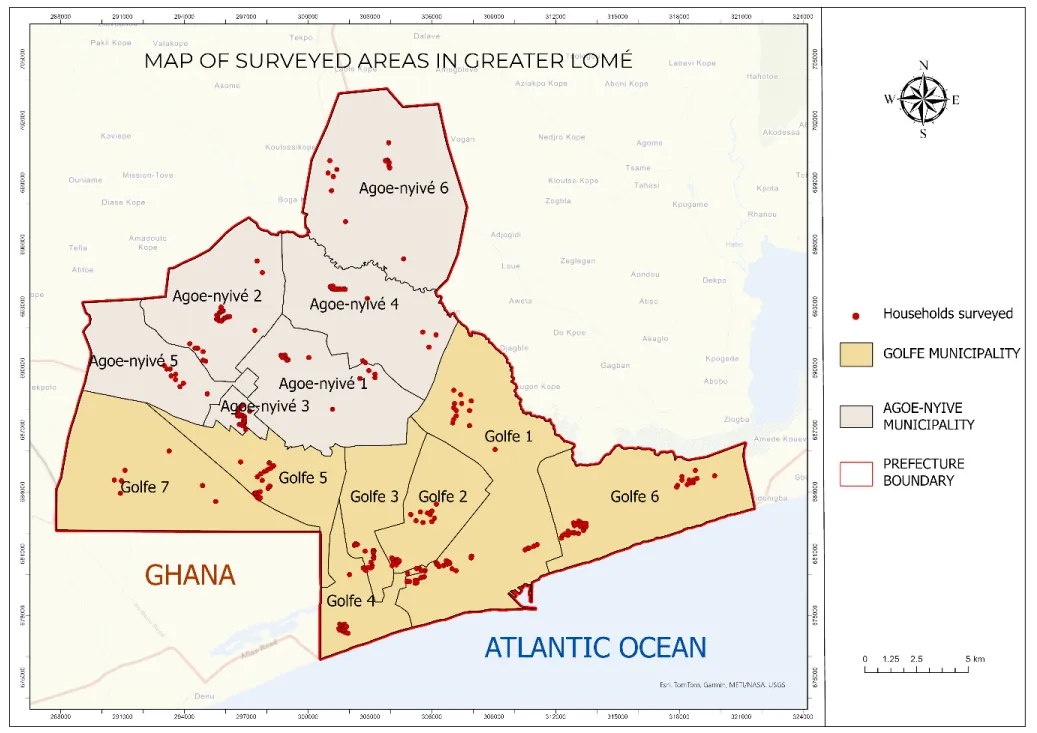
The data from the surveys were processed using Microsoft Excel, allowing for the creation of summary tables and graphs that relate the sociodemographic characteristics of the respondents to their perceptions of quality of life, their accessibility to green spaces, and the issues identified in their neighbourhoods. The mapping of the study area (Figure 1), on the other hand, was carried out using ArcGIS software. A 5-point Likert scale (1 = very poor to 5 = very good) was used among the respondents to assess the level of accessibility to urban facilities and services in Greater Lomé.
Results
Sociodemographic profile of respondents and housing characteristics in Greater Lomé
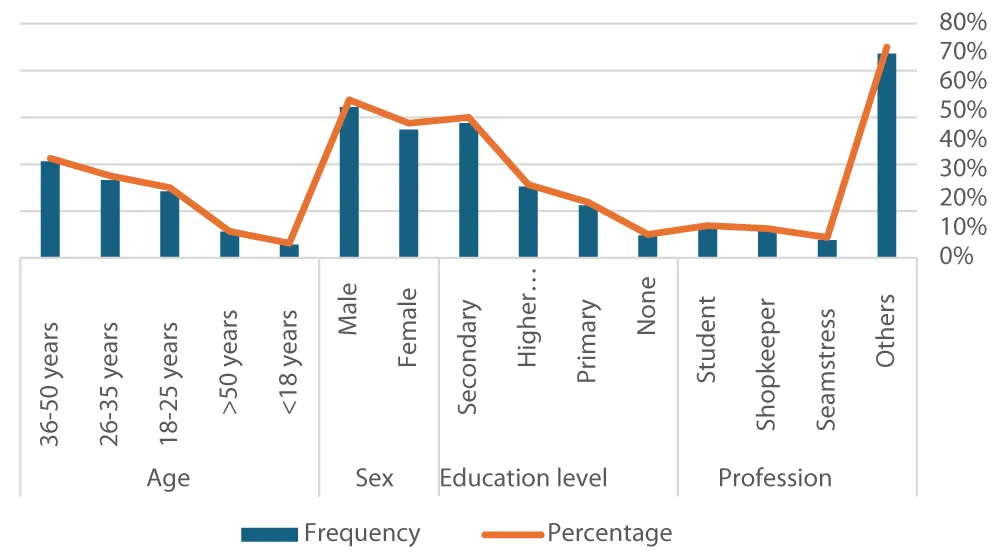
The results of the study reveal an urban population that is predominantly adult and economically active, dominated by those aged 36-50 (34%), followed by those aged 26-35 (28%) and those aged 18-25 (24%). Those over 50 and those under 18 represent 9% and 5% of the sample, respectively. There is a slight male predominance (54% men compared to 46% women). The level of education is relatively high, with 48% of respondents having reached secondary level, 25% having higher education, and 19% having primary level; only 8% have no formal education. On the professional level, the sample is diverse: 72% engage in various activities, while students (11%), shopkeepers (10%), and seamstresses (7%) constitute the other identified categories.
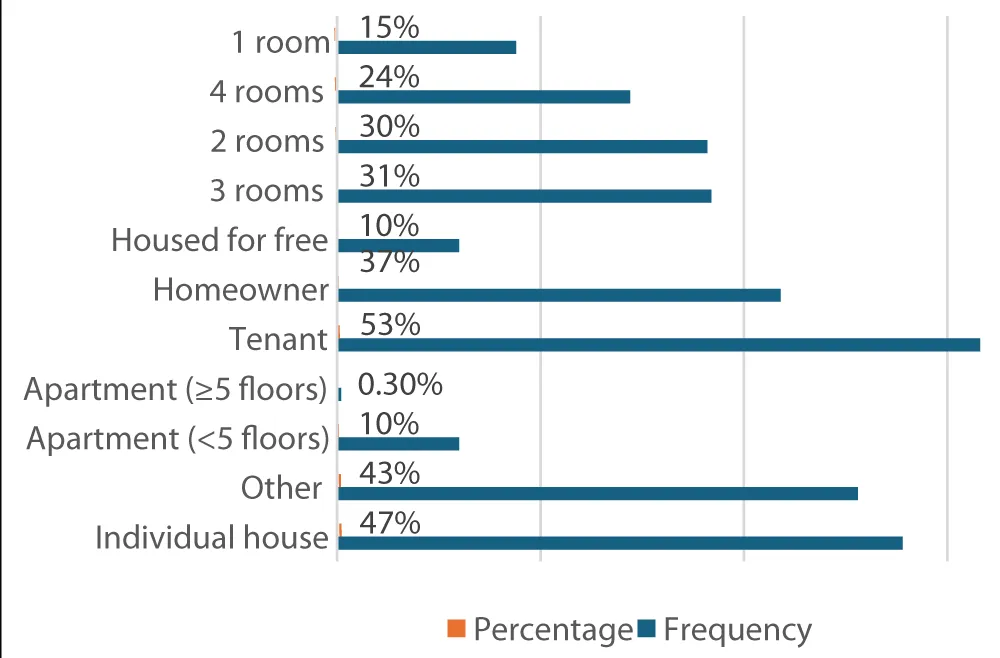
The characteristics of housing reflect the horizontal urbanisation model of Lomé, with a clear predominance of individual houses (47%), followed by other types of housing (43%) and apartments (10%). Regarding occupancy status, the majority of respondents are renters (53%), compared to 37% who are homeowners and 10% who live rent-free, which reflects the difficulties in accessing property ownership in the capital. As for the size of the housing, it is relatively evenly distributed between three rooms (31%), two rooms (30%), and four rooms (24%), with one-room housing representing 15% of the sample, indicating often high occupancy density.
Evaluation of the quality of life at the neighbourhood level in Greater Lomé
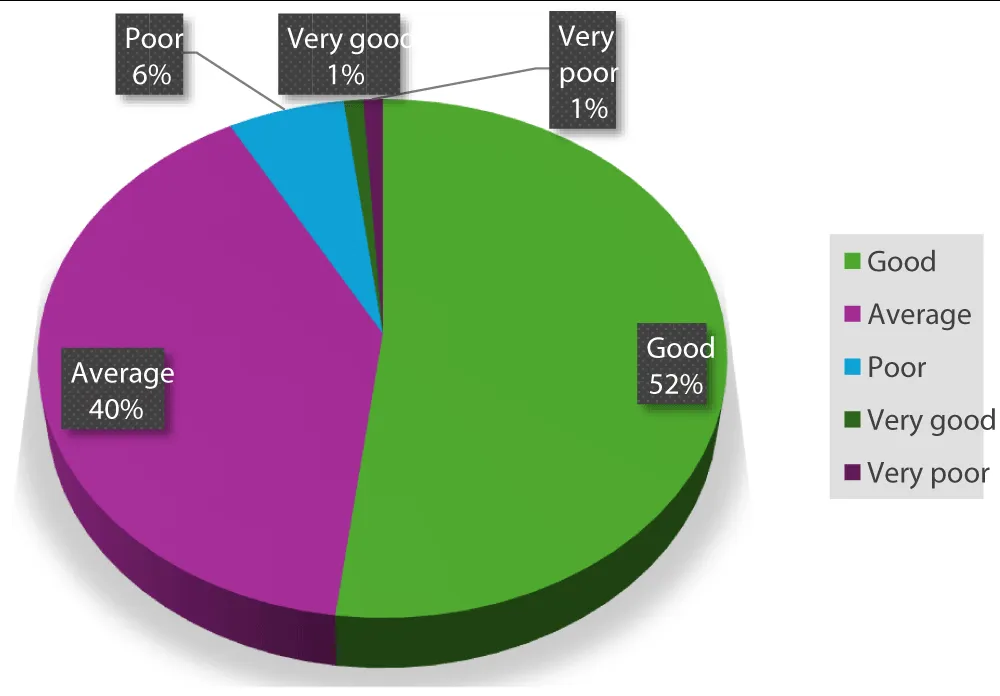
The overall assessment of the quality of life in residential neighbourhoods shows that 1% of respondents consider it very good, 52% rate it as good, and 40% as average, while 6% describe it as poor and 1% as very poor. This predominantly positive perception contrasts with the more nuanced assessments expressed on the various specific dimensions of housing.
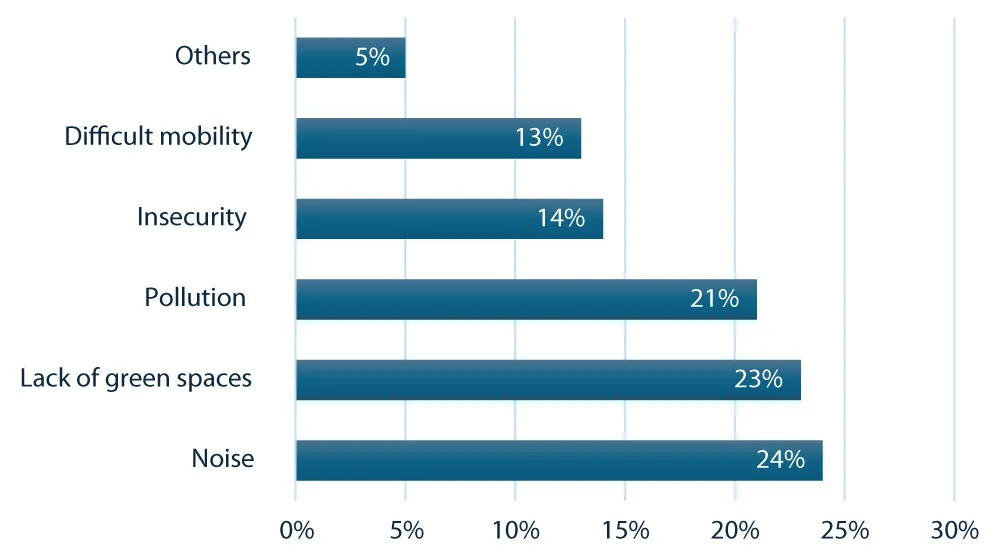
The problems identified in the surveyed neighborhoods are distributed as follows: noise comes first with 24% of mentions, followed by the lack of green spaces (23%), pollution (21%), insecurity (14%), and mobility difficulties (13%), with other problems representing 5% of the responses. These results indicate that environmental nuisances and the lack of green spaces are the main concerns of the residents.
The evaluation of environmental comfort in the surveyed neighbourhoods shows overall moderate assessments according to the different dimensions analysed.
Acoustic comfort is perceived as very good by 1% of respondents, 35% consider it good, and 45% average, while 18% rate it as poor and 1% very poor.
In terms of hygrothermal comfort, 1% of respondents consider it very good, 27% rate it as good, and 47% as average, while 23% perceive it as poor and 2% as very poor.
As for visual comfort, 2% consider it very good, 28% rate it as good, and 42% find it acceptable, while 27% perceive it as poor and 1% as very poor.
The olfactory comfort follows a similar distribution, with 1% rating it as very good, 6% as good, and 17% as average, while 28% of respondents consider it poor and 48% very poor.
Finally, the comfort of using the equipment shows a more dispersed distribution, with very good (15%), good (29%), average (28%), poor (27%), and very poor (1%), which reflects disparities in the quality of public equipment between the different neighbourhoods of Lomé.
Accessibility to green spaces and urban facilities
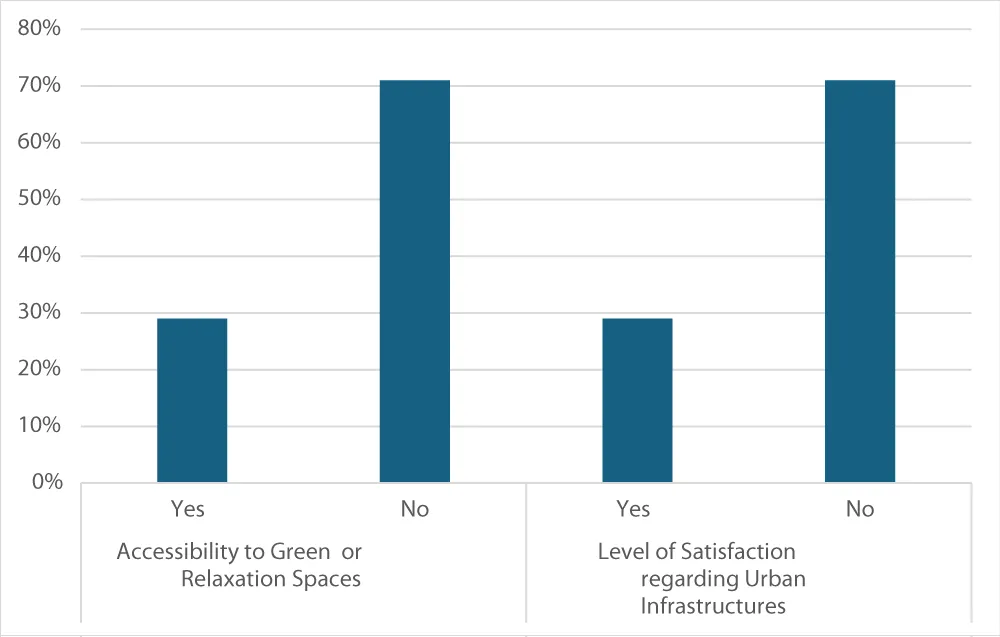
The analysis of accessibility to green spaces shows that 71% of respondents report not having access to green or recreational spaces in their neighbourhood, compared to 29% who do have access. This result is confirmed in the evaluation of satisfaction with urban infrastructure, where the same proportion of 71% of respondents express dissatisfaction with the infrastructure available in their neighbourhood, compared to 29% who express satisfaction.
The evaluation of accessibility to various urban facilities and services, measured on a scale of 1(very difficult) to 5(very easy), reveals notable disparities. Schools and nurseries also receive good scores, with 33% of respondents giving a score of 5 and 26% giving a score of 4. Health centers show satisfactory accessibility, with scores concentrated at 4 (32%) and 3 (27%). Public transportation shows variable accessibility, with responses spread across ratings of 4 (27%), 2 (26%), and 3 (18%). Cultural facilities show overall low accessibility, with ratings of 1, 2, and 3 being almost equally distributed (27%, 28%, and 29%). Parks, gardens, and green spaces present the least favourable accessibility, with 43% of respondents giving them a score of 1 and 29% a score of 2.
Perceptions of neighbourhood assets
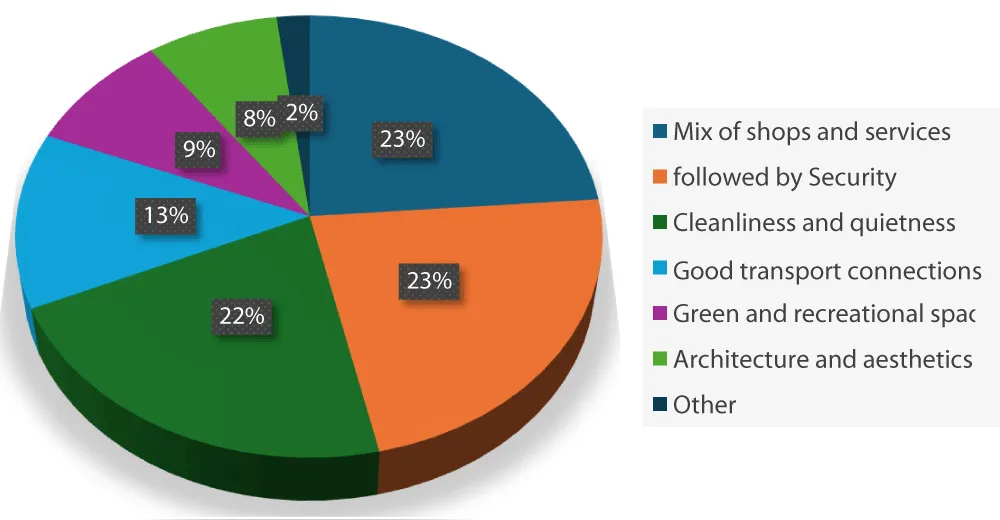
The main strengths identified in the surveyed neighbourhoods are distributed as follows: the diversity of shops and services comes first (24%), followed by safety (23%), cleanliness and tranquillity (22%), good transport connections (13%), green and relaxation spaces (9%), architecture and aesthetics (8%), and other strengths (2%). The small proportion of green and recreational spaces in these mentions confirms their scarcity in the urban fabric of Greater Lomé.
Sustainable development practices and citizen participation
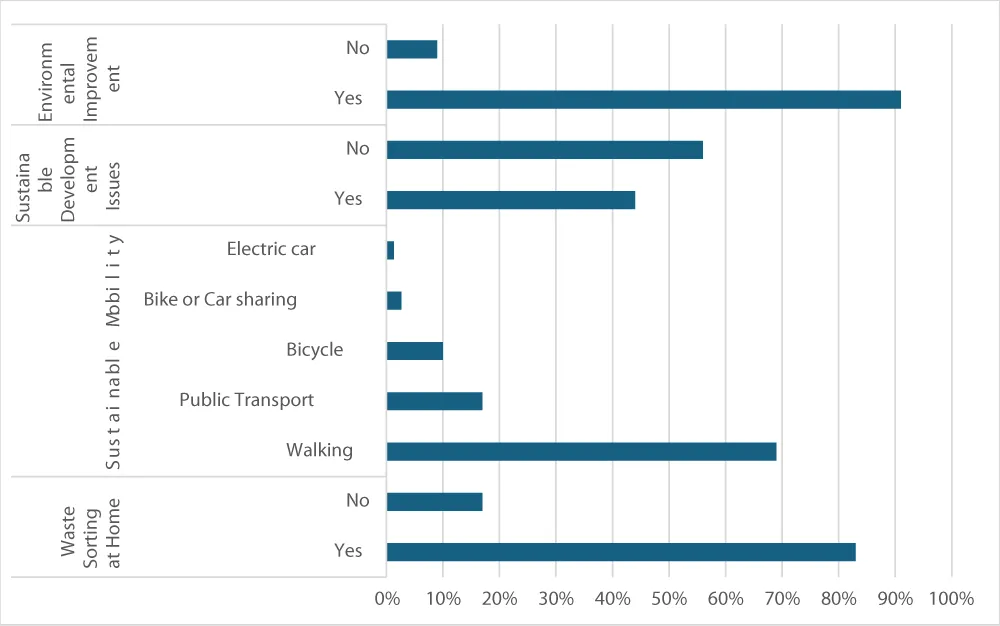
The analysis of sustainable development practices adopted by the residents shows that 83% of respondents do not practice waste sorting at home, compared to 17% who do. In terms of sustainable mobility, walking is the most common mode (69%), followed by public transport (17%), cycling (10%), car-sharing or bike-sharing (3%), and electric cars (1%). Moreover, 56% of respondents claim to be uninformed about sustainable development issues, compared to 44% who assert that they are. On the other hand, 91% report participating in local actions for environmental improvement, compared to only 9% who do not participate, indicating a high level of collective engagement within the neighbourhoods, regardless of the level of formal awareness.
Discussion
A mineralised, fragmented urbanisation generating vulnerabilities
The results obtained show that the urban dynamics of Lomé are based on a model of extensive expansion characterised by high land consumption, rapid growth of artificial surfaces, and a gradual decrease in natural spaces. This evolution reflects a growing disruption of the balance between mineral, wet, and green spaces, with direct consequences on the city's ability to regulate climatic effects and ensure a favourable living environment for the population. As highlighted by the IPCC (2007), cities in developing countries are particularly exposed to climate risks when their spatial growth is not accompanied by planning that integrates the ecological functions of the territories. In Lomé, spatial development is particularly indicative of this trajectory. The urban area increased from 0.55 km2 in 1914 to 425 km2 in 2020 [5], resulting in an annual consumption of over 1,100 hectares of natural spaces [6]. This horizontal growth, largely fuelled by peripheral urbanisation and informal land dynamics [9,10], promotes a gradual artificialisation of soils to the detriment of hydrological and ecological functions. This phenomenon aligns with the observations of Seto, et al. [18], which show that global urban expansion is one of the main factors in the conversion of natural and agricultural lands, particularly in regions with high population growth.
This extensive urbanisation also contributes to the strengthening of climate vulnerabilities. The sealing of soils limits the infiltration of rainwater, increases runoff, and heightens the risk of flooding in the lower areas of the city. It also contributes to the formation of urban heat islands by the accumulation of mineral surfaces and the reduction of plant evapotranspiration. Oke's (1982)[19] work has long demonstrated that the concentration of artificial materials and the reduction of vegetation profoundly alter urban energy balances, resulting in higher temperatures than in less urbanised areas. This situation is particularly concerning in African tropical cities where vulnerable populations have limited adaptive capacities. The survey results confirm this reality: 71% of the residents surveyed express dissatisfaction with urban infrastructure, while the lack of access to green spaces is a major concern. These perceptions reflect a social dimension of environmental vulnerability: deficiencies in urban planning not only produce physical dysfunctions but also affect daily comfort, health, and the sense of liveability in neighbourhoods. This situation illustrates a two-speed urbanisation, contrasting relatively better-equipped central neighbourhoods with peripheral areas characterised by a lack of infrastructure and essential services [6]. It aligns with Satterthwaite's (2007) [20] analyses, which state that poor urban populations are often the first victims of the combined effects of climate change and structural deficits in urban planning.
Deficit of green spaces, degradation of wetlands, and limitations of sectoral approaches
The analysis highlights a major deficit of green spaces in the city of Lomé. With only 0.75 m2 of green space per inhabitant [12], the Togolese capital is well below the international recommendations of the WHO (10 m2/inhabitant). This situation reveals a historical lack of consideration for ecological infrastructure in urban policies, even though green spaces today constitute essential facilities for climate adaptation. The survey results confirm this shortcoming, as 71% of respondents state that they do not have satisfactory access to green spaces, and 20% identify this deficiency as a priority issue in their neighbourhood. This perception aligns with the conclusions of several studies showing that urban natural spaces significantly contribute to reducing thermal stress, improving air quality, and enhancing the physical and psychological well-being of residents [16].
Beyond their aesthetic function, green spaces constitute true climatic infrastructures. According to Bowler, et al. [21], urban green spaces can locally reduce temperatures and mitigate the effects of heatwaves through shading and evapotranspiration mechanisms. Similarly, Kabisch, et al. [22] emphasise that nature-based solutions today represent a major lever for enhancing urban resilience in the face of climate change. Wetlands are experiencing a similar evolution. The gradual reduction of natural areas, combined with the inadequacy of sanitation systems, transforms certain low-lying areas into degraded spaces exposed to health hazards. The low connection rate to the collective sanitation network (7%) (World Bank, 2019) exacerbates this situation. The results show that 48% of residents give a low rating to the olfactory quality of their neighbourhood, revealing the direct effects of insufficient water cycle management.
However, these wetland areas are strategic resources for climate adaptation. The work of Zedler and Kercher (2005) [23] shows that urban wetlands play an essential role in hydrological regulation, flood risk reduction, and the maintenance of ecosystem services. Their gradual disappearance therefore represents a significant loss of natural adaptive capacities. This situation reveals the limitations of a sectoral approach to urban planning. In Lomé, water, sanitation, land, green spaces, and infrastructure are still largely treated separately [6,17]. Now, contemporary research on sustainable cities emphasises the need for a systemic approach that integrates the interactions between urban morphology, ecology, and governance [24].
Towards a resilient and inclusive city: integrating ecological continuities, densification, and renewed governance
In the face of identified vulnerabilities, the transformation of Lomé's urban model requires a profound reorganisation of the relationships between mineral, wet, and green spaces. The establishment of a metropolitan green and blue framework appears as a strategic direction allowing for the reconnection of existing ecological fragments, the restoration of natural continuities, and the simultaneous improvement of the city's climatic, hydrological, and social functions. This approach aligns with the work of Bendict and McMahon (2006) [25], who consider urban ecological networks as infrastructures capable of simultaneously ensuring biodiversity conservation, climate regulation, and improvement of quality of life. In Lomé, such a strategy could notably integrate the wetlands of the lagoon system and the Zio Valley as multifunctional spaces combining hydraulic regulation, urban agriculture, and recreation.
The reduction of land consumption also implies an evolution towards a more compact and better-structured city. The current model of horizontal expansion produces a dispersion of facilities, increases infrastructure costs, and reinforces inequalities in access to urban services. As Angel, et al. [26] show, rapidly growing cities must seek a balance between controlled densification and the preservation of open spaces to avoid excessive artificialization. In this perspective, densification should not be seen merely as an increase in built density, but as an opportunity to integrate more nature into the city. The diversification of urban forms, the introduction of public and private green spaces, as well as the greening of buildings can help create a more comfortable and resilient city. Finally, this transition requires a transformation of urban governance. The creation of the Autonomous District of Greater Lomé constitutes an institutional advancement, but it must be accompanied by operational tools allowing for integrated territory management. This notably involves the establishment of an urban environmental observatory, a system for monitoring metropolitan natural capital, and participatory mechanisms involving local authorities, technical actors, and residents. The results also show a significant potential for citizen mobilisation: 91% of respondents report participating in local environmental initiatives. This involvement constitutes a strategic resource for building collaborative governance.
Conclusion
The analysis of urban dynamics in Greater Lomé reveals a rapidly growing metropolis, marked by unplanned urbanisation that has led to soil artificialization, the reduction of natural and agricultural spaces, as well as a disruption of the balance between built, wet, and green areas. This situation is exacerbated by climate change, which intensifies water, thermal, and health risks. The results show that many households face insufficient access to essential urban services (water, electricity, sanitation, and nearby facilities) and a degraded living environment characterised by unsanitary conditions, mobility difficulties, and a lack of green spaces. Moreover, wetlands, often poorly utilised, contribute to the worsening of floods and health risks due to insufficiently coordinated management. However, the city has significant assets, including the residents' commitment to environmental initiatives, the existence of wetlands and potential ecological corridors, as well as emerging centralities that favour a more balanced urban organization. In this perspective, the establishment of a metropolitan green and blue framework appears essential to strengthen climate resilience, improve quality of life, and preserve biodiversity. The sustainability of Grand Lomé also relies on more compact urbanisation, systematically integrating green spaces as essential infrastructure on par with water, electricity, or roadways. Finally, the success of this transition requires integrated urban governance, led by the Autonomous District of Grand Lomé to better coordinate land, environmental, and planning policies. Such an approach constitutes a major lever to promote climate resilience, spatial justice, and sustainable urban development.
Informed consent statement: Informed consent was obtained from all subjects involved in the study.
Data availability statement: Data will be made available on request.
Conflicts of interest: The authors declare no conflict of interest.
- Nations Unies. World population prospects 2019. New York: Nations Unies, Département des affaires économiques et sociales, Division de la population; 2019.
- Zoma V, Nakanabo N. L’habitat informel en Afrique. Munich: GRIN Verlag; 2022. 64 p.
- Beaujeu R, Kolie M, Sempere JF, Uhder C. Transition démographique et emploi en Afrique subsaharienne. Comment remettre l’emploi au cœur des politiques de développement. Collection À savoir n° 5. Paris: AFD; 2011
- Nyassogbo K. Urbanization and its evolution in Togo. Cah Outre-Mer. 1984;37(146):135-58. Available from: https://dx.doi.org/10.3406/caoum.1984.3100
- Institut national de la statistique et des études économiques et démographiques (INSEED). Final results of the 5th General Population and Housing Census (RGPH-5) of November 2022: Spatial distribution of the resident population by sex (Booklet 01). Lomé (TG): Ministère de la Planification du Développement et de la Coopération; 2022. Available from: https://inseed.tg/download/6616/?tmstv=1743449026
- Takou PW, Houet T, Tchiame T. Prospective modeling of the city of Lomé: scenarization, simulation and prospective monitoring. Rev Int Donni. 2021. Available from: https://hal.archives-ouvertes.fr/hal-03478057
- Blakime TH, Adjonou K, Komi K, Hlovor AKD, Gbafa KS, Zoungrana JBB, Polorigni B, Kokou K. Dynamics of built-up areas and challenges of planning and development of urban zone of Greater Lomé in Togo, West Africa. Land. 2024;13(1):84. Available from: https://dx.doi.org/10.3390/land13010084
- Adjowa YT, Dukiya J, Folega F, Thiel M, Appollonia Aimiosino Okhimamhe. Dynamics of changes in spatial patterns of built-up areas in two metropolitan areas of Grand Lomé and Greater Accra (West Africa). Urban Sci. 2025;9(3):84. Available from: https://dx.doi.org/10.3390/urbansci9030084
- Bawa A. Changes in urban peripheries in southern Togo. Rural spaces tested by settlement and land commodification [dissertation]. Montpellier: Université de Montpellier; 2017. Available from: https://agritrop.cirad.fr/591671/
- Ouro BE. Challenges of urban planning in Togo. Rev Nigér Sci Soc. 2022;5:107-26. Available from: https://www.researchgate.net/publication/368735185_Defis_de_la_planification_urbaine_au_Togo
- Letrouit L, Selod H. Informal land markets and ethnic kinship in West African cities. Reg Sci Urban Econ. 2024;106:104008. Available from: https://dx.doi.org/10.1016/j.regsciurbeco.2024.104008
- Polorigni B, Radji R, Kokou K. Politique publique de gestion des espaces verts de la ville de Lomé au Togo. Int J Biol Chem Sci. 2015;9(4):1888-901.
- Touré B. Caractérisations des propriétés physiques, chimiques et biologiques et évaluation des stocks de carbone organique dans les sols agricoles du département de Daloa (Centre-Ouest de la Côte d’Ivoire) [dissertation]. Daloa (CI): Université Jean Lorougnon Guédé; 2023. N° d’ordre 087, année universitaire 2022-2023. 207 p.
- Lamboni P, Gnamederama K, Fousseni F, Madjouma K, Pikabe YG, Graw, et al. Urbanization impacts on wetland ecosystems in northern municipalities of Lomé (Togo): A study of flora, urban landscape dynamics and environmental risks. Conservation. 2025;5(3):28. Available from: https://dx.doi.org/10.3390/conservation5030028
- Muhoza JP, Gnamederama K, Fousseni F, Madjouma K, Pikabe YG, Graw, et al. Urban green spaces in Africa: A bibliometric analysis. Environments. 2024;11(4):68. Available from: https://dx.doi.org/10.3390/environments11040068
- Antiri EO, Awuah HK, Salu P, Adoripore J, Boakye AE, Ansah WE. Impact of urban green on population health in sub-Saharan Africa: A scoping review. J Urban Health. 2025. Available from: https://dx.doi.org/10.1007/s11524-025-00995-8
- Kondoh E, Bodjona MB, Aziable E, Tchegueni S, Kili KA, Tchangbedji G. État des lieux de la gestion des déchets dans le Grand Lomé. Int J Biol Chem Sci. 2019;13(4):2200-9. Available from: https://dx.doi.org/10.4314/ijbcs.v13i4.25
- Seto KC, Güneralp B, Hutyra LR. Global forecasts of urban expansion to 2030. Proc Natl Acad Sci U S A. 2012;109(40):16083-8. Available from: https://dx.doi.org/10.1073/pnas.1211658109
- Oke TR. The energetic basis of the urban heat island. Q J R Meteorol Soc. 1982;108:1-24. Available from: https://dx.doi.org/10.1002/qj.49710845502
- Satterthwaite D. The transition to a predominantly urban world and its underpinnings. London: IIED; 2007. Available from: http://www.iied.org/pubs/
- Bowler DE, Buyung-Ali L, Knight TM, Pullin AS. Urban greening to cool towns and cities: A systematic review of the empirical evidence. Landsc Urban Plan. 2010;97(3):147-55. Available from: https://dx.doi.org/10.1016/j.landurbplan.2010.05.006
- Kabisch N, Korn H, Stadler J, Bonn A. Nature-based solutions to climate change adaptation in urban areas. Cham: Springer; 2017. Available from: https://dx.doi.org/10.1007/978-3-319-56091-5
- Zedler JB, Kercher S. Wetland resources: Status, trends, ecosystem services, and restorability. Annu Rev Environ Resour. 2005;30:39-74. Available from: https://dx.doi.org/10.1146/annurev.energy.30.050504.144248
- Meerow S, Newell JP. Spatial planning for multifunctional green infrastructure: Growing resilience in Detroit. Landsc Urban Plan. 2017;166:125-32. Available from: https://dx.doi.org/10.1016/j.landurbplan.2016.10.005
- Bendict M, McMahon E. Green infrastructure: Linking landscapes and communities. Washington (DC): Island Press; 2006.
- Angel S, Parent J, Civco DL, Blei A, Potere D. The dimensions of global urban expansion: Estimates and projections for all countries, 2000-2050. Prog Plann. 2011;75(2):53-107. Available from: https://dx.doi.org/10.1016/j.progress.2011.04.001


 Save to Mendeley
Article Alerts
Subscribe to our articles alerts and stay tuned.
 This work is licensed under a Creative Commons Attribution 4.0 International License.